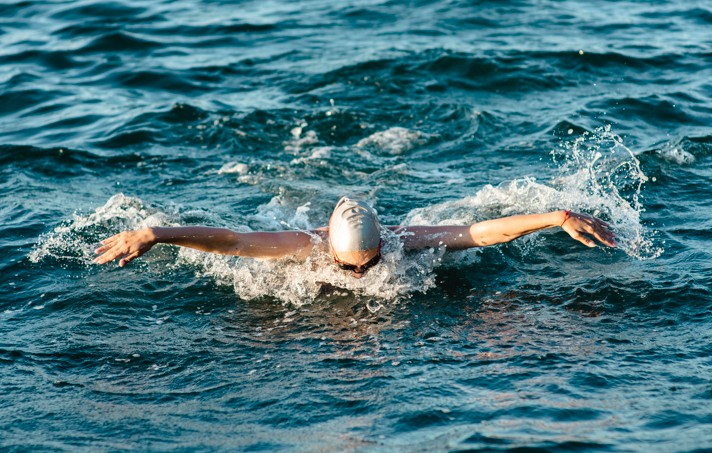
Float to live
If you unexpectedly fall into cold water, your natural instinct may be to panic and try to swim immediately.
Remember 'float to live'
- Tilt your head back with your ears submerged.
- Relax and try to breathe normally.
- Move your hands gently to help you stay afloat.
- Spread your arms and legs if this helps you stay stable.
Once the initial effects of cold water shock have passed and your breathing is under control, call for help or swim to safety if you are able to.
Knowing this simple technique could save your life.
Cold water shock
Open water can be extremely cold, even on a warm and sunny day.
Water below 15°C can seriously affect your ability to breathe and move.
Suddenly entering cold water can cause cold water shock. You may gasp, lose control of your breathing and find it difficult to swim.
'Float to live' gives your body time to adjust.
Being a strong swimmer does not protect you from cold water shock.
If someone else is in trouble
If you see someone struggling in the water:
- Call 999 immediately.
- Do not enter the water yourself, even if you are a strong swimmer.
- Encourage the person to stay calm and float on their back.
- If it is safe to do so, throw them something that floats or use a throw line or other rescue equipment if one is available.
- Keep talking to them and keep them in sight until help arrives.
The Royal Life Saving Society UK's Water Safety Code has four simple messages that everyone can remember:
STOP AND THINK
Take time to understand the dangers and follow local signs and advice.
STAY TOGETHER
Stay with friends or family when you're around water and use recognised, supervised places if you're swimming.
CALL 999
If someone is in trouble, call for help. Don't enter the water yourself.
FLOAT
If you fall in, stay calm, float on your back and call for help.
Knowing what to do before an emergency happens could save a life.
Find out more from the Royal Life Saving Society UK.