

We know how much our community values the beautiful trees that make our parks and green spaces so special. That’s why we regularly inspect our trees across the district to make sure they are healthy and safe for everyone to enjoy - find out more.
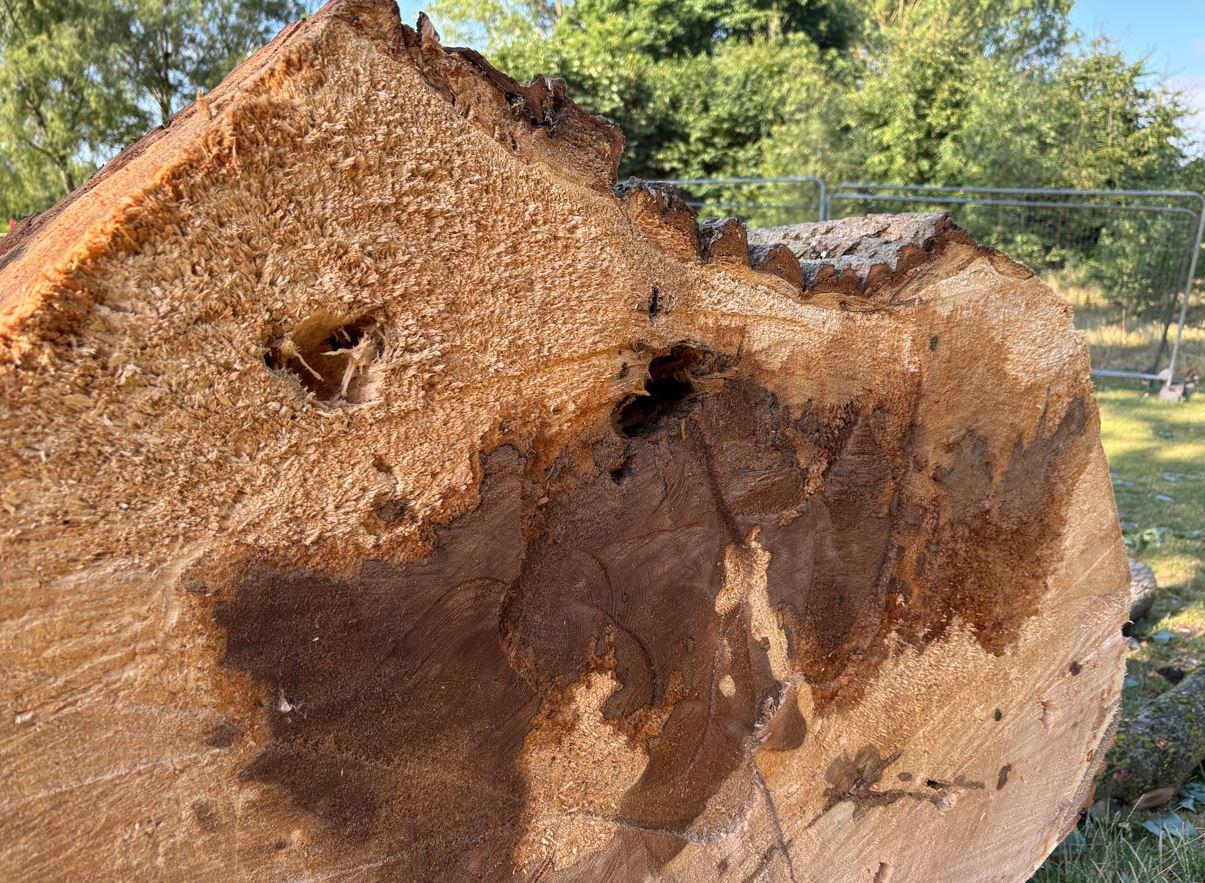
Following recent inspections, seven hybrid black poplar trees in Beacon Park have unfortunately were identified as unsafe due to age, disease, and internal rot.
These trees are at risk of falling and must be removed to protect public safety.
The work took place on 3 and 4 September to minimise disruption to visitors and popular events, including Proms in Beacon Park.
We only make a decision to fell when there are no other safe option is available - in case of the hybrid black poplars in Beacon park, they are being felled because:
- Dangerous to park users - the trees pose a serious risk to park users - including heavy boughs that fall which has happened with these trees which is why they have been cordoned off.
- Expert advice - the trees were inspected by independent experts before any decisions were made - the experts supported the decision to fell the trees.
- Average life span - hybrid black poplar (Populus x canadensis) tend to live between 40 - 60 years. The seven poplar trees being felled were planted in the 1960s so have reached the end of their natural life.
Replanting will take place as part of our wider tree management programme, ensuring Beacon Park continues to be one of the district's most loved green spaces.
For every tree we have removed, we will plant three new ones - this will ensure that our green spaces remain vibrant, healthy, and ready for future generations to enjoy.
We will carefully choose a mix of species that are more resilient to pests and diseases, better suited to climate change and supportive of local wildlife and biodiversity.